
Alms box $300
An iron-bound oak box on a post by the door, for gifts for the poor.
- Footprint
- 1 × 1 m
- Upkeep
- $2 a year
- Looks
- 3 / 10
- Building fit
- doesn't count (no distinct character)
Across the 80 traditions: no fit (it has no particular character).
Chapter 6: The item catalogue · Part 5
The working furniture of halls, classrooms, offices, and nurseries, plus the pillar.
Alms box Amulet counter Coffee pot Commercial coffee pot Computer Crib Desk Desk chair Divination table Folding table Full-length mirror Golak Head scarves Hundi Mechitza Pangat mats Pillar Prie-dieu Projection screen Puja clothes lockers Shoe rack Tallit rack Vestment cabinet Wooden table
An iron-bound oak box on a post by the door, for gifts for the poor.
Across the 80 traditions: no fit (it has no particular character).
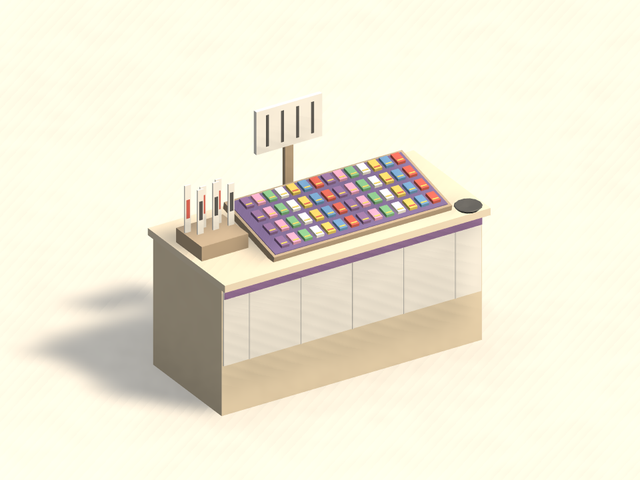
A counter by the door with charms laid out in rows: omamori and ofuda at a shrine, talismans, incense, and joss paper at a Chinese temple, pendants and blessed beads at a Buddhist one. Visitors buy them as they come and go, and someone has to mind it.
The shrine office's counter of amulets and charms (a folk temple's and a Chinese Buddhist temple's too): with one, every visit to open hours buys about $4 of them. Expected at a shrine, and it pays for itself fast.
Across the 13 Shinto and Chinese and Buddhist traditions: suits 1, jars with 0, neutral to 12, 1 expected.
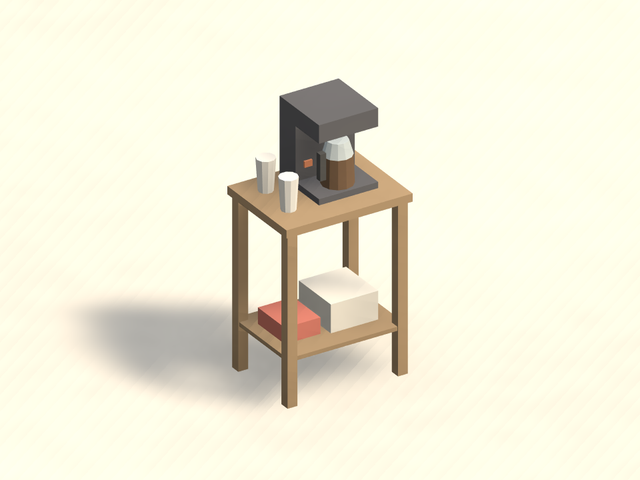
A coffee maker on its own stand, with cups beside it. Coffee hour needs one, or a commercial pot, where it's held; this makes enough for about 40.
Coffee hour needs one, in the hall or the entrance hall, and people gather round it. It makes enough for 40; another pot makes 40 more.
Across the 80 traditions: no fit (it has no particular character).
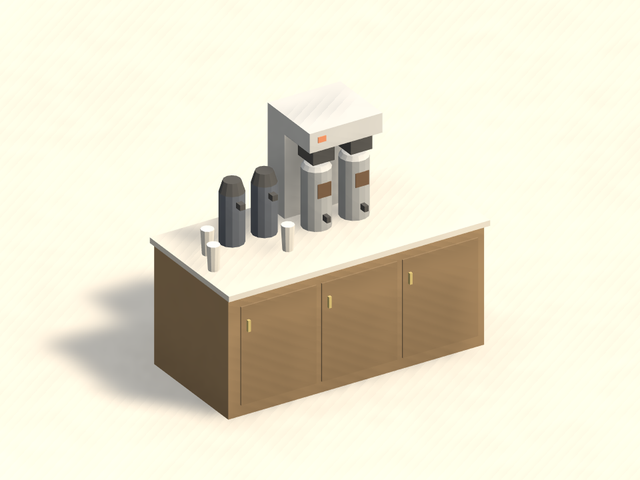
A commercial brewer and its urns on a counter: coffee for a crowd of 200 at coffee hour.
Coffee for 200 at coffee hour, for a big congregation. Two tiles wide.
Across the 80 traditions: no fit (it has no particular character).
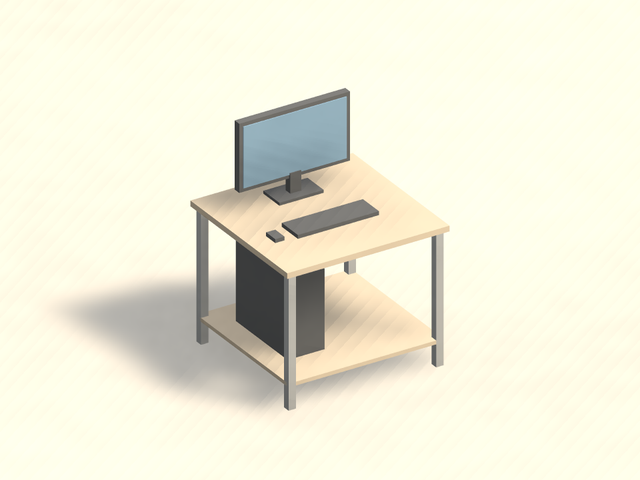
A computer on a small stand, for the bulletin, the books, and the email.
Office furniture with no rule attached. Useful dressing for an office.
Across the 80 traditions: no fit (it has no particular character).
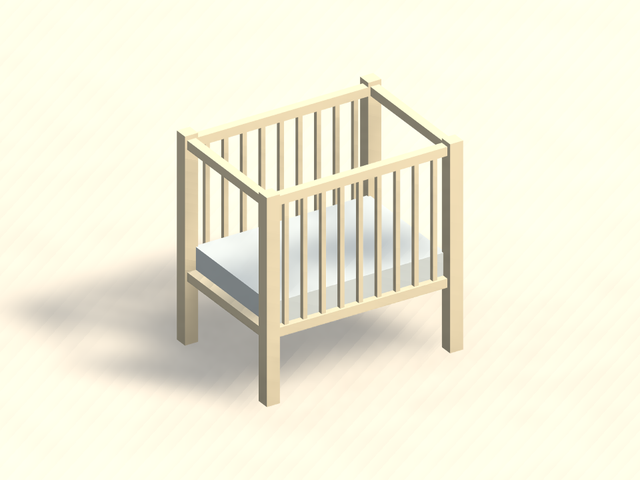
A crib for the nursery.
With a sink, what a nursery needs. Families with infants lose 0.08 when there's no nursery.
Across the 80 traditions: no fit (it has no particular character).
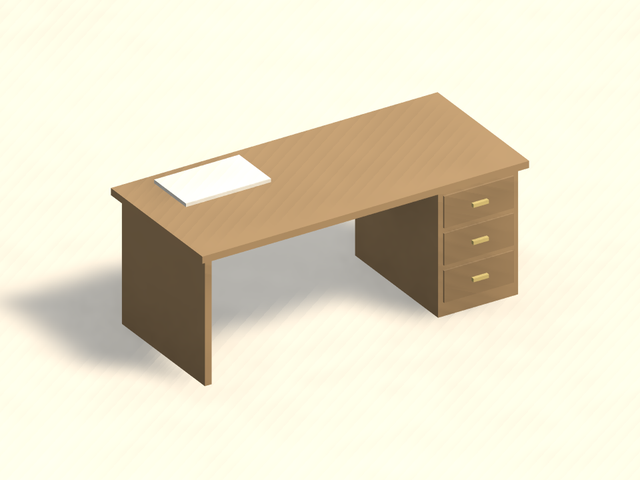
An office desk.
The office's one requirement. Keep its front clear: it has a metre of clearance.
Across the 80 traditions: no fit (it has no particular character).
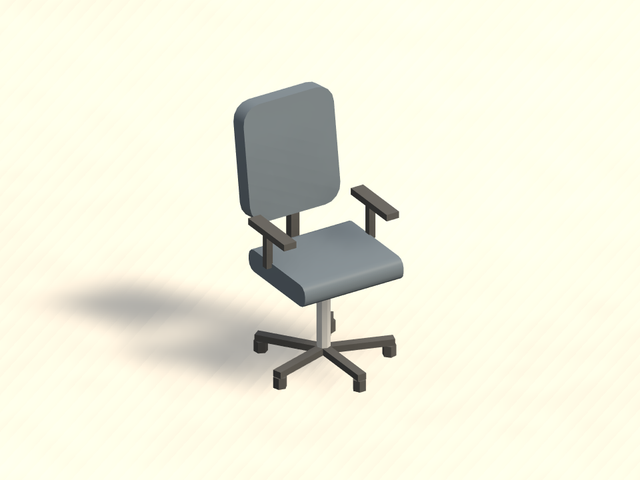
A swivel chair on casters, for a desk or a computer.
Dressing for an office or a computer. No rules attached.
Across the 80 traditions: no fit (it has no particular character).
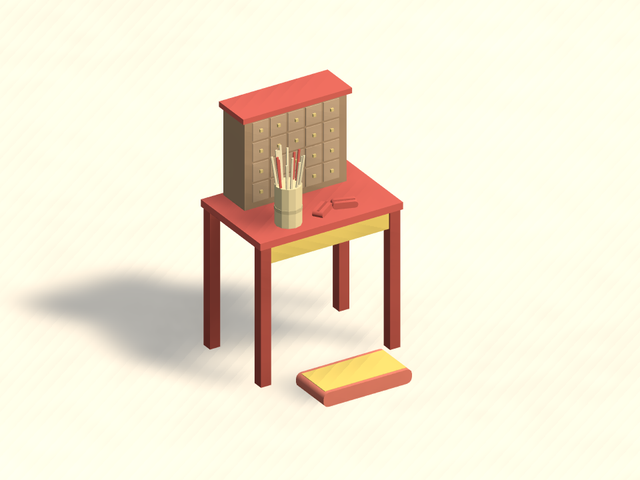
A small table before the altar with a bamboo cup of numbered fortune sticks, a pair of red moon blocks, and a cabinet of poem slips. Kneel, ask, shake the cup until a stick falls, and throw the blocks to see if the god agrees.
Moon blocks and fortune sticks, for putting a question to the god: expected at a folk temple.
Across the 3 Chinese traditions: suits 1, jars with 0, neutral to 2, 1 expected.
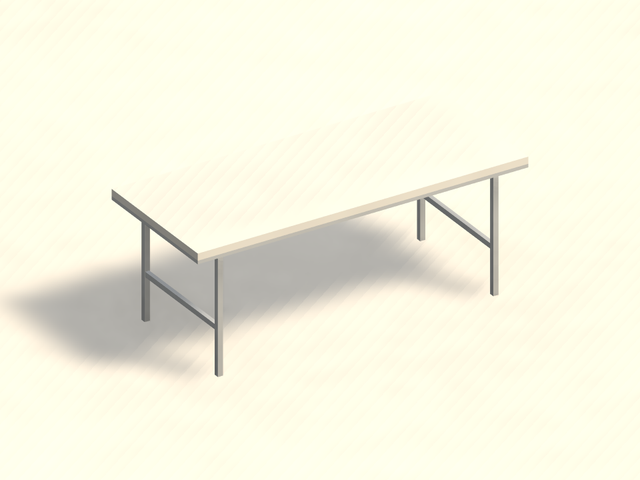
A folding table for fellowship meals and classes.
The cheap way to meet a hall's or a classroom's table. Seats 16 at a community meal.
Across the 80 traditions: no fit (it has no particular character).
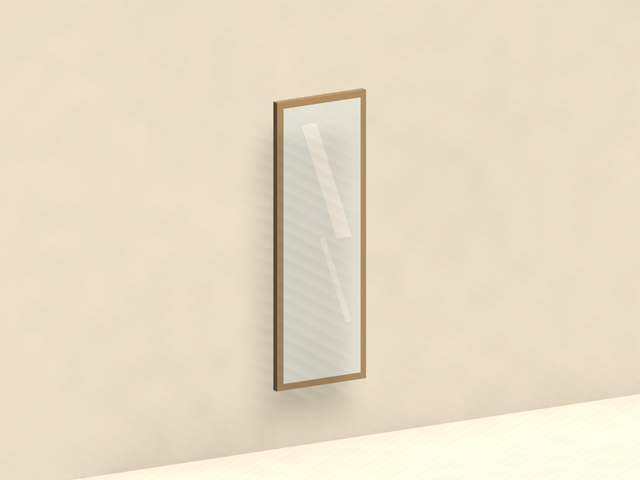
A tall mirror in a plain frame, for a last look before the service: in a restroom, a nursery, or a vestry.
A tall mirror for the restroom, a nursery, or the vestry.
Across the 80 traditions: no fit (it has no particular character).
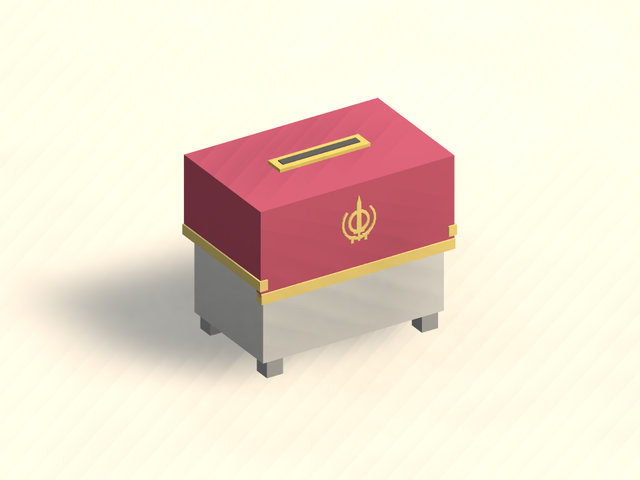
The offering box before the palki: people put their offering in as they bow to the Guru. It is most of a gurdwara's income.
The offering box before the Guru Granth Sahib, where everyone gives as they bow: expected at a gurdwara.
Across the 1 Sikh traditions: suits 1, jars with 0, 1 expected.

A rack of clean scarves at the door for anyone who comes without a head covering: in a gurdwara everyone covers their head before the Guru, and in many temples women do.
A rack of scarves to borrow, by an outside door: a gurdwara requires it, and a visitor who finds one is glad of it (+0.02); one who doesn't, minds (−0.03).
Across the 13 Sikh and Hindu and Jain traditions: suits 1, jars with 0, neutral to 12, 1 required.
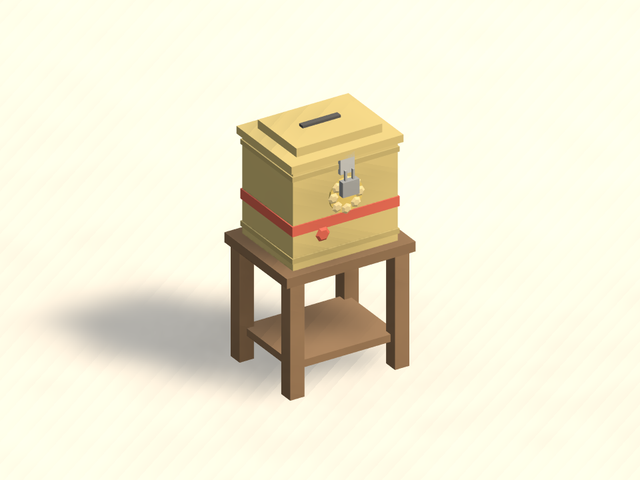
The locked offering box before the shrines: people drop in notes and cheques as they come for darshan, and the committee counts it together.
The offering box before the deities: expected at Hindu temples and Jain centers with images.
Across the 12 Hindu and Jain traditions: suits 6, jars with 0, neutral to 6, 6 expected.
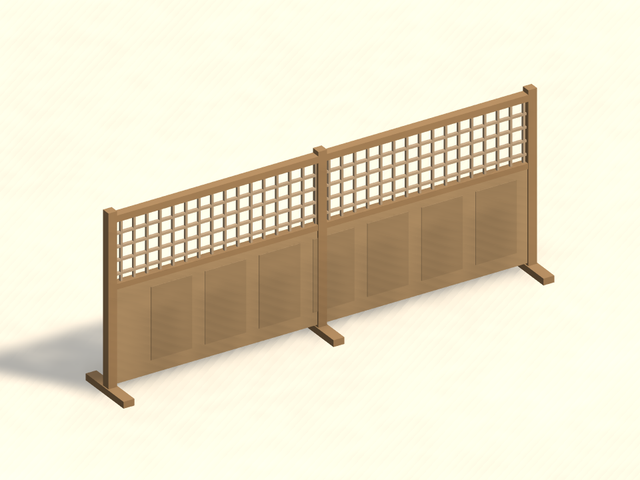
A partition between the men's seats and the women's: wooden panels with a lattice above, high enough to set them apart and low enough to see the bimah over. Four metres long; set several end to end.
Required in an Orthodox synagogue or a Chabad house, where men and women sit apart on one floor. With the Orthodox variant's women's gallery (a balcony), none is needed.
Across the 5 Jewish traditions: suits 2, jars with 0, neutral to 3, 2 required.
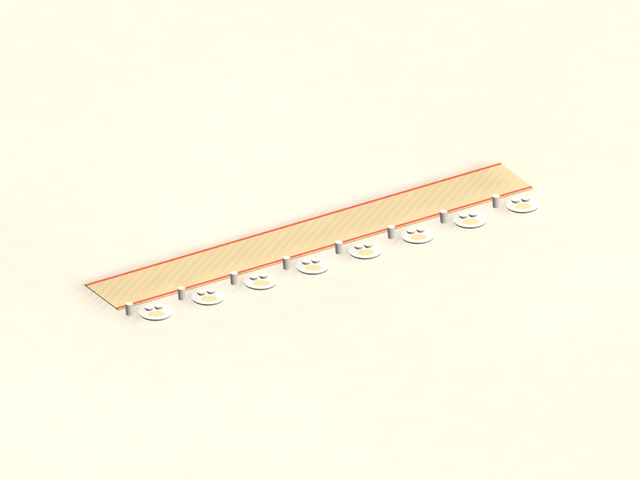
Long runners laid in rows on the social hall's floor, four metres each: eight people sit side by side on them and are served their meal where they sit, everyone equal in the row. Tables and chairs are kept for the elderly.
Runners to sit and eat on in rows: they seat a free meal in the hall (langar) in place of tables, and stand in for a table in the hall. Expected at a gurdwara.
Across the 13 Hindu and Sikh and Jain traditions: suits 1, jars with 0, neutral to 12, 1 expected.
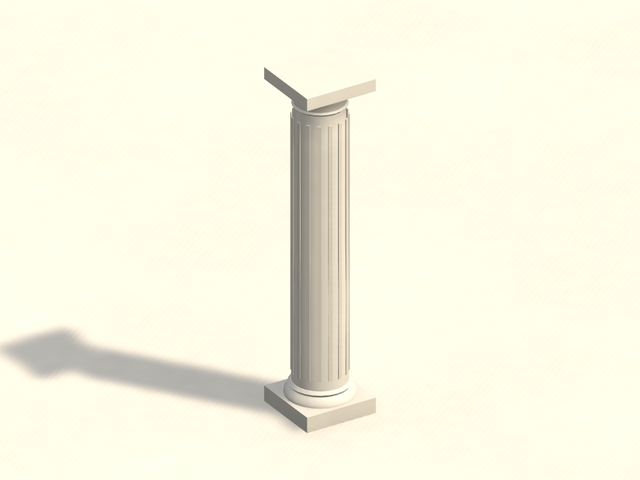
A stone column holding up the roof. Handsome, and it blocks the view of anyone sitting behind it.
Handsome, formal, and a fit bonus in high-church traditions, but it blocks the view of anyone sitting behind it. Line pillars along the side aisles, outside every seat's line to the front.
Across the 80 traditions: suits 45, jars with 35.
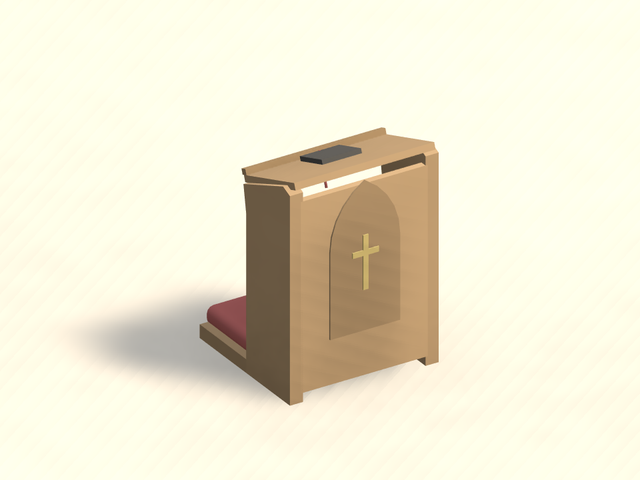
A kneeling desk for private prayer, with a cushioned step.
Across the 44 Christian traditions: suits 20, jars with 24.

A screen on the wall of the sanctuary and a projector to light it, with the words of the songs, the readings, and the notices. Everyone can follow along, heads up and hands free, and no bulletin is needed. Formal traditions find it out of place.
Across the 80 traditions: suits 35, jars with 15, neutral to 30.
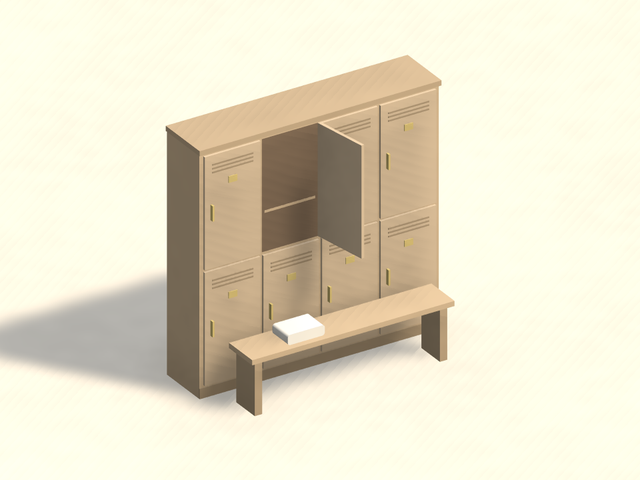
Lockers for the clean puja clothes people keep at the house of worship and wear for nothing else: an unstitched dhoti and shawl for men, a sari for women, put on after bathing to go into the sanctum.
Where the puja clothes are kept: the one thing a Jain center's changing room needs.
Across the 2 Jain traditions: no fit (it has no particular character).
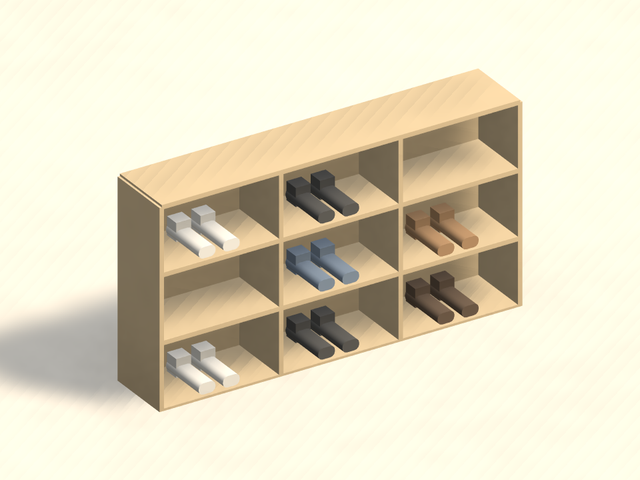
Shelves for shoes at the door to the sanctuary: shoes never go on the prayer carpet, or on the floor of a temple, a gurdwara, or a shrine. Jumu'ah, Eid, and festival days fill them, and then the floor beside them.
Expected in a mosque, and in a Buddhist temple that sits on the floor; required at a Hindu temple with images, a gurdwara, and every Jain center. Cheap: put one by the worship room's door.
Across the 28 Muslim and Buddhist and Hindu and Sikh and Jain and Shinto traditions: suits 17, jars with 0, neutral to 11, 9 required, 8 expected.
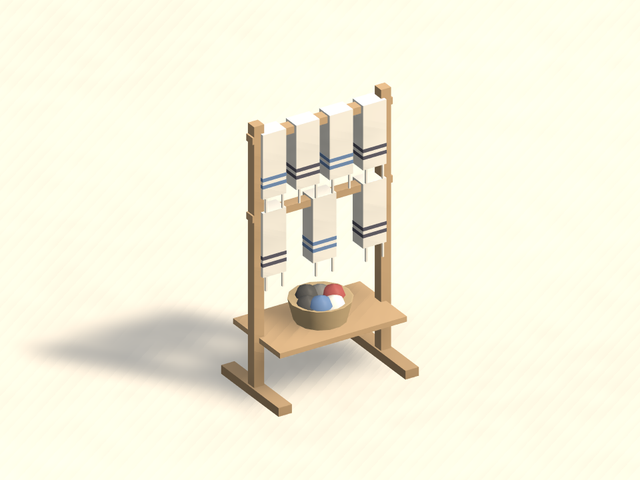
Prayer shawls and kippot on a rack by the door, for anyone who comes without their own.
Prayer shawls and kippot for those who come without: cheap. Put it in the lobby (the entrance hall), by the sanctuary door; no rule asks for it, so it doesn't count toward fit wherever it stands.
Across the 5 Jewish traditions: no fit (it has no particular character).
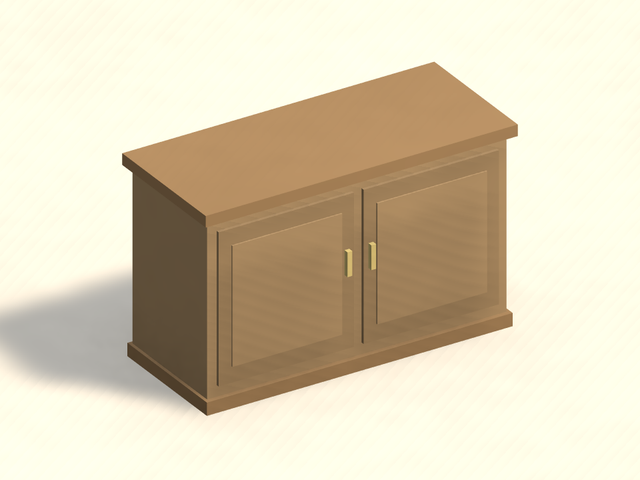
Wide drawers where vestments and paraments are kept flat.
What makes a room a sacristy, which Catholics, Lutherans, and the Orthodox require.
Across the 80 traditions: suits 45, jars with 35.
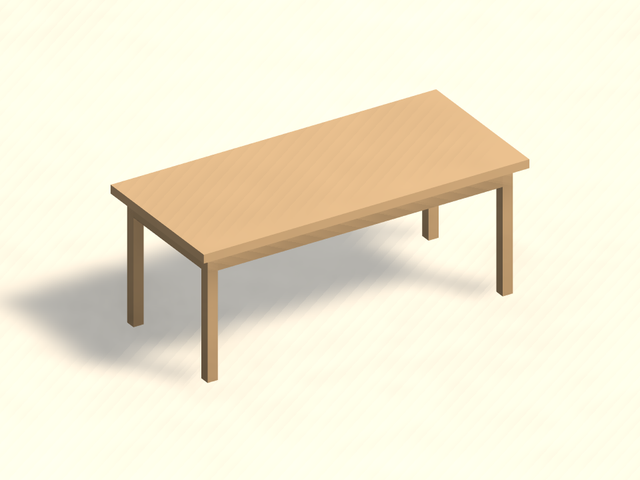
A solid wooden table for classrooms, meetings, and the parlour. It costs more than a folding table and looks it.
A handsomer table than the folding one, at more than three times the price. Counts for a hall or classroom just the same, and seats 20 at a community meal.
Across the 80 traditions: no fit (it has no particular character).